
Top 9 Podcast Distribution Platforms + The Best Alternative
Podcast distribution has become a real competitive problem for enterprise marketing teams.
There are now more than 3.5 million podcasts in the world, which makes discoverability, platform coverage, and promotion far more complex than uploading an audio file and moving on.
You’re on the right page, though.
This guide breaks down the best podcast distribution platforms and advertising networks for teams focused on reach, monetization, analytics, and ROI.
We explain what each platform offers, how podcast distribution services differ at scale, and when enterprises should move from basic hosting toward more advanced podcast distribution strategies.
Keep reading below.
What Is a Podcast Distribution Platform?
A podcast distribution platform is the system that takes your podcast RSS feed and pushes each new episode, metadata updates, and episode artwork to podcast directories and listening apps. Your team publishes once, and the network handles ongoing delivery across destinations like Apple Podcasts, Spotify, Amazon Music, Pocket Casts, and Podcast Index.
At scale, distribution is about keeping dozens of moving parts consistent across platforms. Podcast Index lists more than 300,000 shows published in the last 30 days, which gives a good sense of how crowded discovery has become.
You can watch this YouTube video for a deeper dive into how podcast distribution works:
Most podcast distribution platforms offer services like:
Podcast hosting and RSS feed generation
Automatic distribution to podcast directories and app listings
Podcast analytics dashboards and audience insights
Podcast website tools, embeddable podcast player, and web player options
Support for private podcasts and private podcasting feeds
Workflow features for multi-show teams, podcast networks, and agencies
Optional dynamic ads and ad insertion tooling for podcast monetization
Who uses them: Enterprise marketing teams running branded shows, agencies managing multiple clients, and podcast networks that need reliable publishing workflows across many episodes and platforms.
Pro tip: Planning distribution without a clear episode structure creates downstream issues fast. Our guide on how to prepare a B2B podcast brief breaks down how enterprise teams align content, publishing, and promotion before episodes ever go live.
Benefits of Using a Podcast Distribution Platform
A podcast distribution platform gives you consistency and control across a fragmented ecosystem of apps, directories, and listening environments. Instead of managing uploads, updates, and fixes manually, teams publish once and maintain a single source of truth for their audio files, RSS feed, episode artwork, and metadata.
Distribution platforms also make it easier for your teams to expand output.
Podnews tracks dozens of active podcast apps worldwide, each with its own update behavior and ingestion timing.
These platforms also make it easier to track important analytics for sponsorships and internal reporting. In fact, the platforms below give you reliable analytics dashboards that support growth decisions, promotion planning, and monetization readiness at scale.
Plus, a strong podcast distribution platform reduces publishing risk and keeps shows visible across podcast directories.
Remember: Podcast distribution and monetization are tightly linked once you start scaling. This overview of advanced podcast monetization strategies explains how ad insertion, private feeds, and platform-specific distribution choices affect revenue long-term.
Best Alternative to Podcast Distribution Platforms
At Content Allies, we help enterprise marketing teams turn podcast distribution into a predictable growth and revenue channel. We’re not a podcast hosting site or a self-serve distribution tool. We act as a strategic distribution and advertising partner, managing how podcasts are published, promoted, and scaled across major platforms.
Our work starts where most podcast distribution platforms stop.
Instead of handing teams a dashboard and an RSS feed, we design and run end-to-end podcast distribution strategies that combine platform-specific publishing, paid podcast advertising, analytics, and attribution.
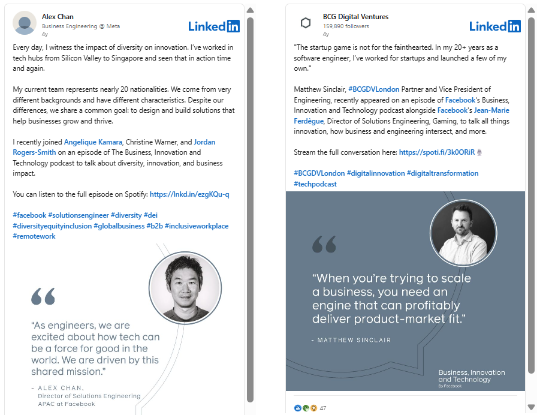
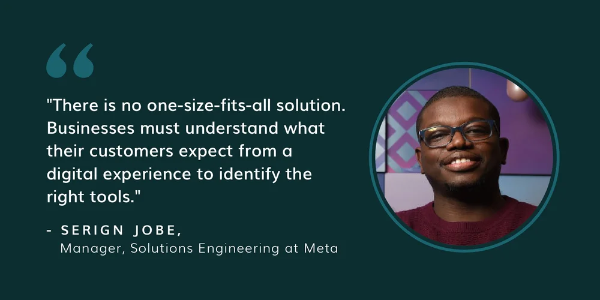
In fact, for Meta, we created:
Social media posts:
Quotes that can be repurposed across channels:
Thought-leadership articles:

And even internal promotion assets:
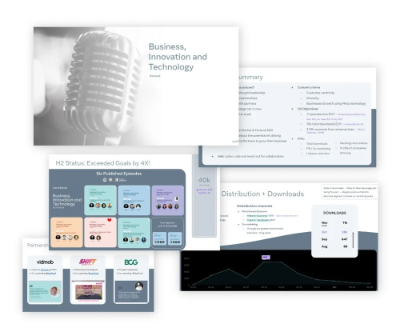
That, along with podcast production, planning, and editing, led to ~170,000 downloads in 6 months.
And yes, we support both SMB and enterprise programs, including global podcast initiatives for companies like Meta, Siemens, Gusto, and Cisco. Here, podcast creation, distribution consistency, reporting accuracy, and ROI matter as much as reach.
Key services
Enterprise podcast distribution strategy across major podcast directories and platforms
RSS feed management, publishing workflows, and platform migrations
Paid podcast advertising campaigns, including pay-per-download and contextual targeting
Firmographic listener data and audience insights for B2B targeting
Podcast analytics dashboards with attribution tied to marketing and revenue goals
Why work with Content Allies
We’re the only option on this list that combines enterprise-grade podcast distribution, paid advertising, and revenue attribution into a single managed system, so marketing teams can scale podcasts without guessing what’s working.
TL;DR Top 3 Podcast Distribution Platforms
Buzzsprout: A beginner-friendly podcast hosting and distribution platform that makes it easy to publish episodes, distribute via RSS, and experiment with light-touch monetization inside a simple dashboard.
Spotify for Creators: Spotify’s native distribution and monetization platform that gives publishers direct access to Spotify listeners, analytics, and Spotify-sold podcast ads within a single ecosystem.
Transistor: A podcast hosting and distribution platform built for teams running multiple public and private podcasts, with unlimited feeds, simple workflows, and ad-ready infrastructure.
Top Podcast Distribution Platforms Reviewed
Now that you’ve seen both the benefits of working with podcast distribution platforms and the main alternative, let’s jump into our reviews.
1. Buzzsprout
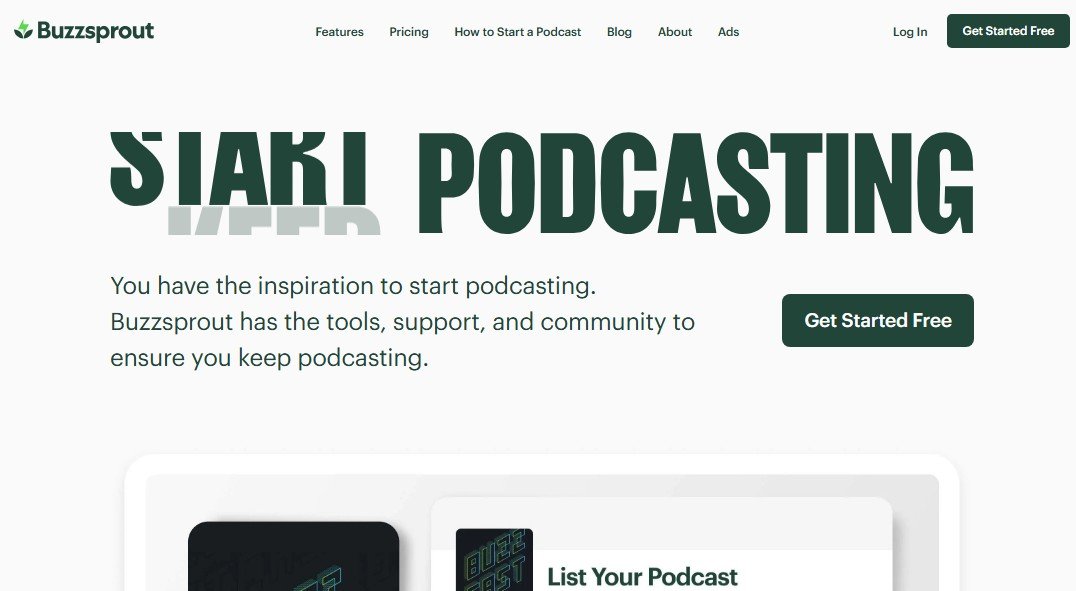
Buzzsprout is a podcast hosting and distribution platform designed to make it easy to publish audio files and get listed across major podcast directories.
We appreciate its simple podcast hosting, automatic distribution, and beginner-friendly tools; these all help shows get online quickly and stay consistent with publishing.
From an advertising perspective, Buzzsprout plays a limited but practical role.
It supports basic podcast monetization through its own ad marketplace and dynamic ad insertion features, which allow creators to control which ads appear in their episodes. For teams running small shows or early-stage programs, this can work as an introduction to podcast ads without managing external podcast advertising networks.
Buzzsprout distributes shows to Apple Podcasts, Spotify, Amazon Music, Pocket Casts, Podcast Index, and other podcast directories through RSS feed generation.
It also provides a podcast website, an embeddable podcast player, and a web player that teams can use to share episodes on external websites and social media.
Analytics are included through an IAB-certified analytics dashboard, though reporting is focused on downloads and listening behavior rather than campaign-level attribution.
Key services
Podcast hosting with automatic distribution to major podcast directories
RSS feed generation and episode publishing tools
Visual soundbite tools for social media sharing
Magic Mastering for automated audio editing and audio mastering
AI-powered show notes, transcripts, chapter art, and automatic transcription
Why work with Buzzsprout?
Buzzsprout is a good choice for teams that want simple podcast hosting and light-touch monetization without having to worry about external podcast advertising networks or complex ad operations.
2. Spotify for Creators
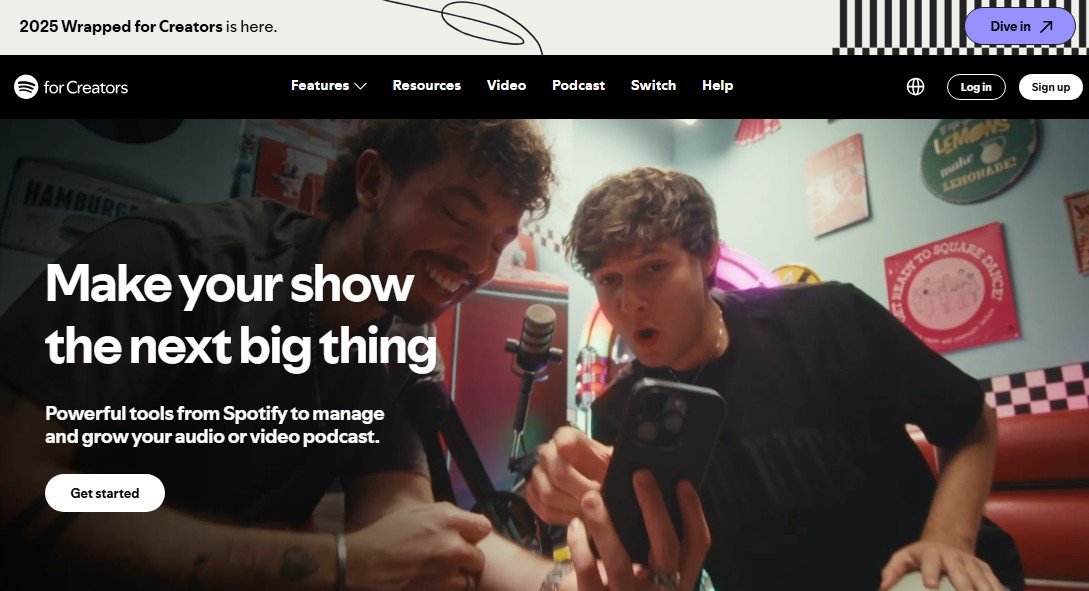
Spotify for Creators is Spotify’s native platform for managing, distributing, and monetizing audio and video podcasts inside the Spotify ecosystem.
It gives publishers direct access to Spotify’s listener base, along with tools for episode publishing, audience engagement, podcast analytics, and advertising eligibility tied to Spotify’s ad systems.
From a podcast advertising network perspective, Spotify for Creators acts more like a gateway into Spotify’s monetization and ad infrastructure than a cross-platform ad marketplace.
Shows published or claimed through the platform can take part in Spotify’s Partner Program, run ads sold by Spotify, and access programmatic ads delivered through Spotify’s audience targeting and measurement stack. This makes it especially relevant if you’re prioritizing Spotify reach and Spotify-native ad revenue.
Given that Spotify ranks second only to YouTube for watching and listening to podcasts, building a strong presence here can be extremely valuable.
Key services
Podcast distribution and show management within the Spotify platform
Access to Spotify’s advertising and monetization programs for eligible shows
Spotify-native podcast analytics and audience insights
Listener engagement tools, including comments and follower tracking
Support for RSS feed-based distribution from external podcast hosting platforms
Why work with Spotify for Creators?
Spotify for Creators gives publishers direct access to Spotify’s audience, ad inventory, and monetization systems, which makes it the most straightforward way to run Spotify-native podcast ads at scale.
3. Transistor
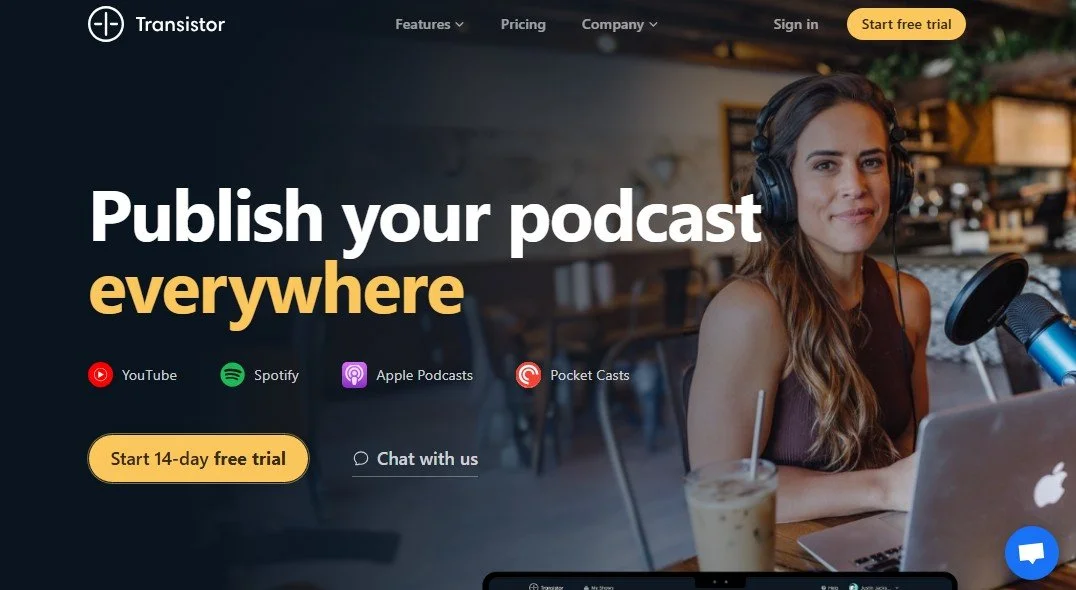
Transistor is a podcast hosting and distribution platform built for teams that want to publish podcasts across major podcast directories from a single account.
It supports automatic distribution to Apple Podcasts, Spotify, YouTube Podcasts, Pocket Casts, and other platforms through RSS feed generation, with features designed for multi-show teams and podcast networks.
From an advertising perspective, Transistor provides the infrastructure needed to support podcast monetization as audiences grow. It offers dynamic ads and advertisement insertion across pre-roll, mid-roll, and post-roll placements.
Even better, you get private podcasting and network features that help enterprise teams manage public shows and private podcasts in one system.
While it does not function as a standalone podcast advertising network, it prepares shows for programmatic ads and external ad partnerships.
Check out this case study to understand what it can do:
Transistor hosts Acquired, a long-form business podcast that consistently ranks across Apple Podcasts and Spotify. The show uses Transistor’s network features to manage large episode files and multi-platform distribution at scale.
Key services
Podcast hosting with unlimited shows under one account
Automatic distribution to Apple Podcasts, Spotify, YouTube Podcasts, and major podcast directories
RSS feed generation and episode publishing workflows
Embeddable podcast player and web player for external websites
Optional AI transcription and automatic transcription add-ons
Why work with Transistor?
Transistor stands out for letting teams run unlimited public and private podcasts under one account. This makes it especially effective if you’re managing multiple feeds and want to keep hosting simple and affordable.
4. Captivate
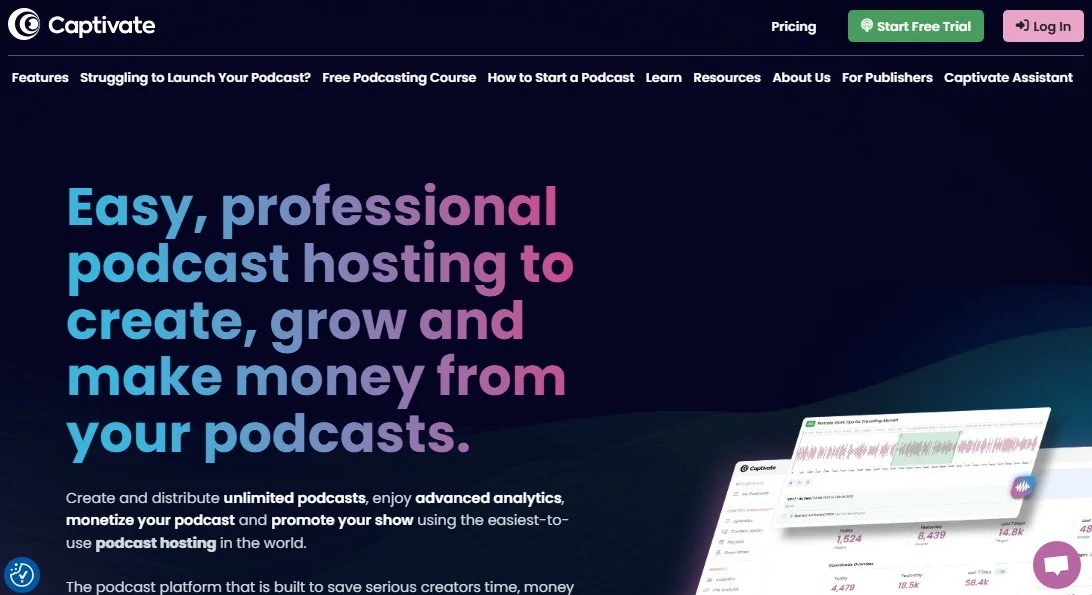
Captivate is a podcast hosting and distribution platform built for teams that want more control over growth, monetization, and analytics from day one. Just like most platforms in this review, it supports automatic podcast distribution to major podcast directories through RSS feed generation, with unlimited podcasts included on every plan.
In terms of advertising, Captivate leans further into monetization than many hosting platforms.
It does this through dynamic ad solutions, paid feed drops, and an emerging ad marketplace designed to support podcast ads, sponsorship readiness, and internal promotion at scale.
Combined with IAB-certified podcast analytics, private podcasting, and campaign-style tools, Captivate works well for teams that want podcast distribution and monetization handled inside one podcast hosting solution instead of dealing with several vendors.
Compared to Content Allies, which operates as a podcast production and advertising agency, Captivate focuses on self-serve monetization tools rather than end-to-end campaign strategy and paid distribution management.
Key services
Podcast hosting with unlimited shows and automatic distribution
RSS feed generation for all major podcast directories
Dynamic ads and advertisement insertion across episodes
Web player and embeddable podcast player with consumption analytics
Built-in podcast website with custom domain support
AI transcription, episode metadata, and content tools
Campaign-style tools for podcast promotion and monetization
Why work with Captivate?
Captivate stands out for combining unlimited podcast hosting with built-in dynamic ads, paid feed drops, and full-access analytics. This allows you to monetize and distribute your shows without relying on external podcast advertising networks.
5. Blubrry
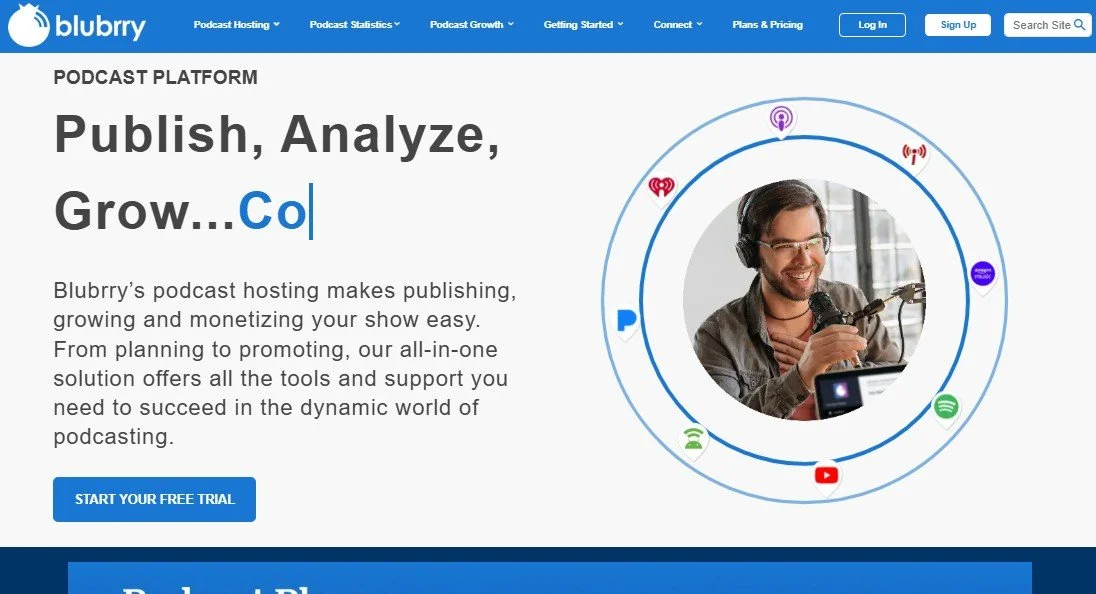
Blubrry is a full-service podcast hosting and distribution platform that supports shows from independent creators to corporations and networks. It offers tools for publishing, analytics, audience insights, private hosting, premium content, and built-in monetization options designed so teams can run and grow multiple podcasts under one roof.
Podcast advertising and monetization are part of how Blubrry supports growth. U.S. podcast ad revenue reached $2.4 billion in 2024, according to the IAB, which puts more pressure on hosting platforms to support reliable distribution, analytics, and premium content workflows.
While Blubrry offers premium content monetization and dynamic ad tools, it does not operate as a managed podcast advertising network. Teams that want strategy-led ad planning, contextual targeting, and revenue attribution might be better off with a partner like Content Allies for advanced paid distribution strategies.
Key services
Podcast hosting with multi-show support and scalable storage
RSS feed generation for distribution to Apple Podcasts, Spotify, Amazon Music, YouTube Podcasts, and major podcast directories
Podcast statistics with audience insights and performance reporting
Private hosting for bonus content, internal training, and secure feeds
Premium podcasting with paid subscriber content and Apple Podcast Subscriptions
Podcast website support for SEO and brand visibility
Podcast AI tools for planning, production, and promotional workflows
Concierge setup support to help teams migrate shows and optimize feeds
Why work with Blubrry?
Blubrry stands out for its flexible hosting plans that support premium and private podcasts alongside comprehensive audience analytics.
6. Simplecast
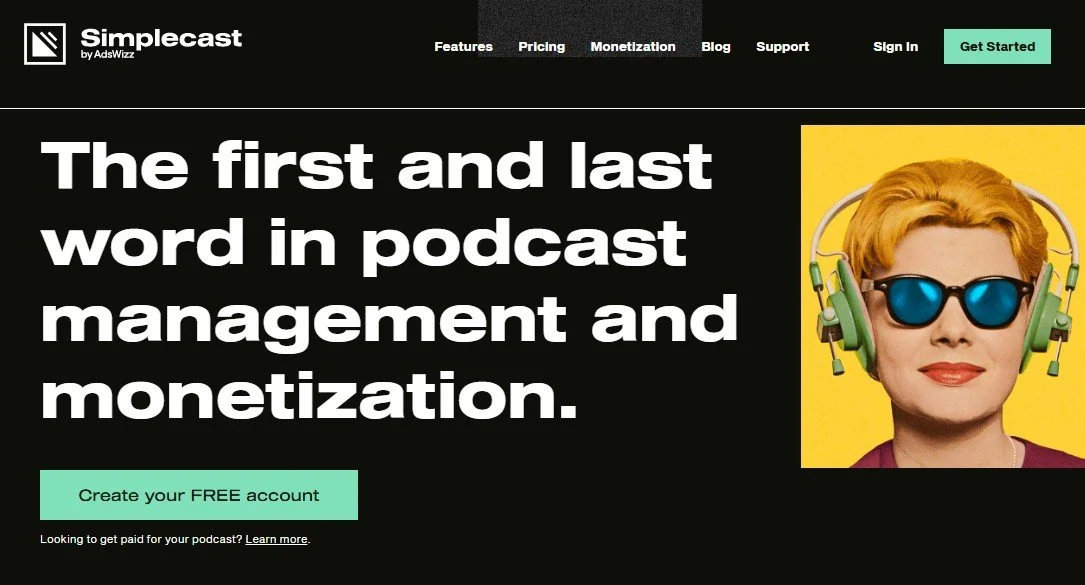
Simplecast is an end-to-end podcast hosting and distribution platform designed for publishers that want enterprise-grade analytics and advertising access without complex workflows.
Speaking of advertising, Simplecast stands out through its direct integration with the AdsWizz Marketplace, one of the largest programmatic podcast advertising exchanges.
Here’s a case study where podcast network MSW Media used Simplecast’s integration with the AdsWizz Audio Marketplace to streamline ad placements and expand podcast monetization across its shows.
Just like MSW Media, you will get access to programmatic ads, inventory controls, and monetization opportunities that extend beyond basic dynamic ad insertion.
Simplecast also offers IAB-certified podcast analytics through its Audience platform, which helps teams understand listener behavior and episode-level performance. However, campaign strategy and revenue attribution typically sit outside the platform.
Key services
Podcast hosting with one-click publishing to major podcast directories
RSS feed management and episode distribution workflows
Programmatic ads access through the AdsWizz Marketplace
Podcast migration tools with guided support
Monetization readiness for single shows and podcast networks
Why work with Simplecast?
Simplecast stands out for combining enterprise-grade analytics with direct access to one of the largest programmatic podcast ad marketplaces.
7. Acast

Acast combines podcast hosting, one-click distribution, advanced analytics, and a large-scale podcast advertising marketplace that connects publishers with brand advertisers across multiple ad formats.
Acast operates as both a podcast hosting platform and a full podcast advertising network. Shows distributed through Acast gain access to host-read ads, dynamically inserted ads, and brand partnerships managed directly through Acast’s sales infrastructure.
According to Acast, the company has paid out more than $500 million to creators since launching, which shows the scale of its ad marketplace and its focus on podcast revenue as a primary outcome.
Key services
Podcast hosting with automatic distribution to major podcast directories
One-click publishing to Apple Podcasts, Spotify, Amazon Music, and other platforms
Advanced listener analytics and audience insights
Inventory and ad placement controls for publishers
Support for independent creators, publishers, and podcast networks
Why work with Acast?
Acast is one of the largest global podcast advertising marketplaces, which makes it an attractive option for publishers that want monetization built directly into their hosting and distribution platform at scale.
8. Ausha
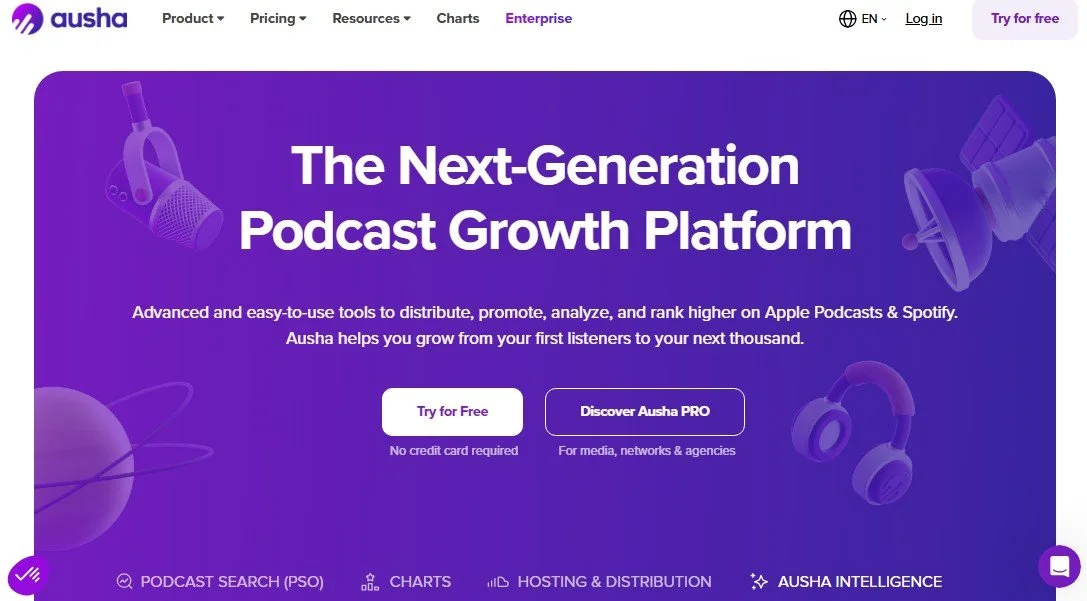
Ausha is a podcast hosting and growth platform built around discoverability and search performance across major podcast distribution platforms. In fact, it supports unlimited hosting and one-click distribution to podcast directories.
But what makes it unique is that it can layer in tools designed to help shows rank higher and attract new listeners through podcast search optimization.
And if you’re thinking of advertising and monetization, Ausha can, indeed, make podcasts easier to promote, package, and prepare for sponsorships. It supports dynamic ad insertion, campaign-based promotion, and direct monetization without taking a revenue cut.
Key services
Podcast hosting with unlimited shows and automatic distribution
RSS feed generation for Apple Podcasts, Spotify, Amazon Music, and podcast directories
Podcast search optimization tools for titles, descriptions, and keywords
Smartplayer and embeddable podcast player for external websites
Automatic audio-to-video publishing for YouTube
Multi-show and multi-user access for media teams and networks
Why work with Ausha?
Ausha stands out for treating podcast distribution as a search and ranking problem, which gives teams concrete tools to improve discoverability on Apple Podcasts and Spotify.
9. RedCircle
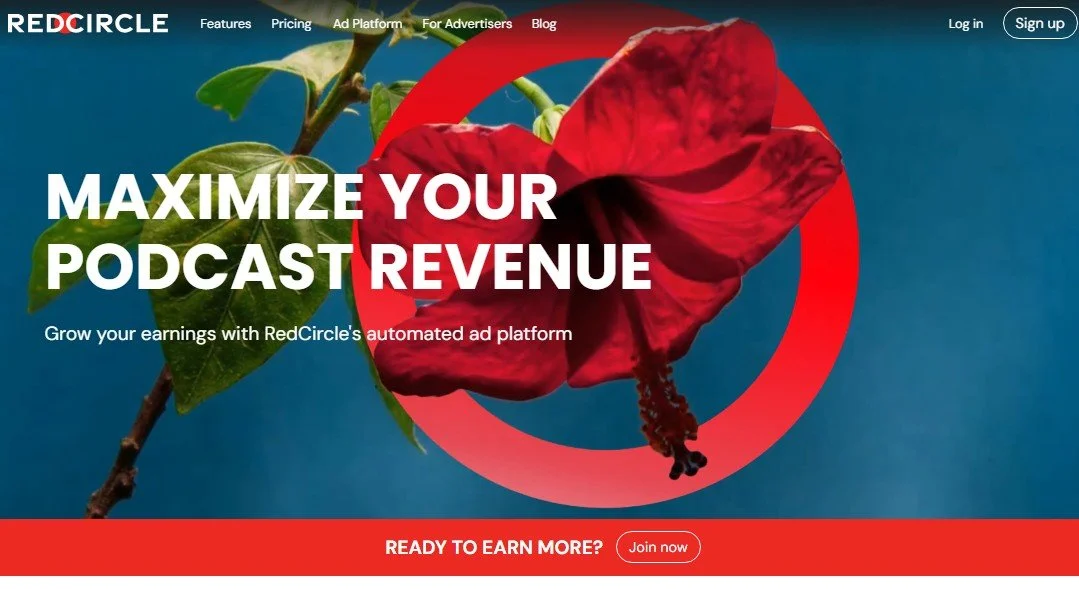
RedCircle is a podcast hosting and advertising platform that can help you monetize quickly through automated ad infrastructure. It combines hosting and distribution with a self-serve advertising marketplace that supports both host-read and programmatic ads. Plus, it allows shows to participate even if they host elsewhere through RedCircle’s OpenRAP model.
RedCircle’s core strength is how they lower the barrier to podcast advertising.
Shows can access brand campaigns, dynamic ad insertion, and cross-promotion tools without relying on traditional sales teams or exclusive contracts.
Key services
Podcast hosting with unlimited episodes and downloads
Automatic distribution to major podcast directories via RSS feed
Host-read and programmatic ads through RedCircle’s ad platform
Cross-promotion tools to grow audiences through aligned podcasts
Revenue dashboards with earnings and campaign visibility
Brand marketplace connecting podcasters directly with advertisers
Why work with RedCircle?
RedCircle opens podcast advertising access to smaller and mid-sized shows through automated ad tools and OpenRAP.
How to Choose the Right Podcast Distribution Platform
Choosing a podcast distribution platform comes down to whether it will hold up once your podcast program starts to scale.
Here’s what we advise:
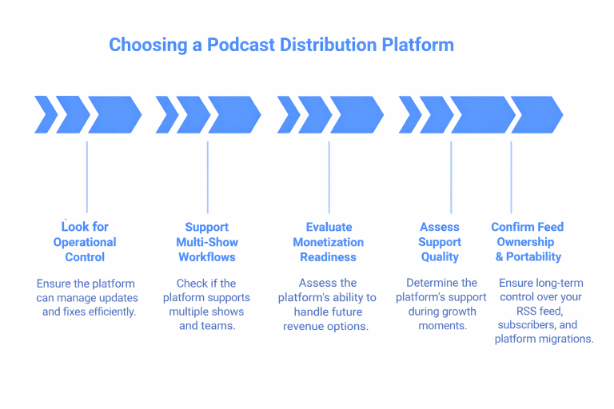
1. Look for Operational Control
Enterprise teams need confidence that episode updates, metadata changes, and fixes propagate cleanly across podcast directories. From our experience, a red flag shows up when a platform can’t explain how long Apple Podcasts or Spotify updates typically take, or blames directories without visibility.
A useful question here is: How do you monitor and troubleshoot failed updates across platforms when something goes wrong?
2. Make Sure the Platform Supports Multi-Show, Multi-Team Workflows
Marketing teams rarely manage just one show for long. We’ve seen friction appear when platforms charge per podcast or lack role-based access. A strong signal is whether the platform was built with networks and agencies in mind.
A good question to surface this early: How do teams manage permissions, approvals, and publishing across multiple shows?
3. Evaluate Monetization Readiness, Even If Ads Are Not Live Yet
Even if podcast advertising is not immediate, distribution choices affect future revenue options. Platforms that support dynamic ad insertion, private podcasts, or podcast advertising integrations tend to age better as programs mature.
A common red flag is when monetization features exist but require migrations later. Ask directly: If we integrate with ad platforms or enable dynamic insertion later, what technical changes would be required?
4. Don’t Underestimate Support Quality During Growth Moments
Issues don’t just happen at launch. They happen during migrations, rebrands, or rapid publishing cycles. Teams often regret platforms where support is ticket-only with long response times.
One simple question reveals a lot: What does support look like during a failed episode push or RSS feed issue, and who actually helps us fix it?
5. Confirm Ownership, Portability, and Long-Term Control of Your Feed
One of the biggest mistakes we see teams make is choosing a platform without understanding who actually owns the RSS feed and what happens if they ever need to move. This matters more than most people realize.
Your RSS feed is the backbone of your podcast’s distribution, and losing control of it can mean losing subscribers, analytics continuity, and directory trust.
Strong platforms support feed ownership, clean 301 redirects, and painless migrations. Weak ones lock you in or make transitions risky and disruptive. This becomes critical during rebrands, M&A, platform consolidation, or when internal priorities change.
Ask questions like:
Can we move our RSS feed without losing subscribers?
Do we own the feed?
What happens if we leave?
Are 301 redirects supported?
From our experience, the platforms that answer this clearly tend to be the ones built for long-term programs.
Why Enterprise Teams Choose Content Allies to Scale Podcast Distribution
As we learned, scaling your podcast depends on reliable workflows, trustworthy analytics, advertising readiness, and platform-specific optimization that holds up as programs grow.
A key takeaway is that distribution issues rarely appear at launch. They surface later, when reporting matters, ads are introduced, or a single RSS issue affects every platform at once.
That’s where we come in.
At Content Allies, we design and run enterprise podcast distribution and advertising programs end-to-end. We manage publishing workflows, paid podcast advertising, analytics, firmographic targeting, and attribution across Spotify, Apple, Google, YouTube Podcasts, and emerging platforms, all tied directly to business goals.
If your podcast needs to drive reach, ROI, and long-term value, we provide the systems and hands-on execution that turn distribution into a scalable growth channel. Get in touch today to learn more.
FAQ
What does a podcast distribution platform actually do?
A podcast distribution platform manages your RSS feed and pushes episodes, metadata, and updates to podcast directories like Apple Podcasts, Spotify, Amazon Music, and others. It replaces manual uploads with a centralized system for publishing, analytics, and ongoing maintenance.
What’s the difference between podcast hosting and podcast distribution?
Podcast hosting stores your audio files and generates your RSS feed. Distribution covers how that feed is submitted, updated, monitored, and optimized across listening apps. At enterprise scale, distribution includes workflow management, analytics consistency, and readiness for advertising.
When should a marketing team move beyond basic podcast hosting?
Teams usually outgrow basic hosting once they manage multiple shows, publish frequently, introduce advertising, or need reliable analytics for reporting. Distribution platforms become essential when small publishing issues start creating outsized downstream problems.
Do podcast distribution platforms help with podcast advertising?
Many platforms support dynamic ad insertion or integrations with podcast advertising networks, but they typically stop at tooling. Strategy, targeting, creative, and attribution require a specialized promotion partner to manage effectively.
Can Content Allies work with our existing podcast hosting platform?
Yes. We regularly work with teams that already have a hosting provider. We layer on distribution strategy, paid podcast advertising, analytics, and reporting without forcing a platform migration unless it clearly improves outcomes.
How does Content Allies approach podcast distribution differently?
We treat distribution as a growth and revenue system. Our team manages platform-specific publishing, paid distribution, firmographic targeting, and analytics so podcast performance connects directly to marketing goals and ROI.
Is Content Allies a good fit for smaller or early-stage podcasts?
We work best with B2B marketing teams and enterprises that view podcasting as a long-term channel. If your goal is predictable audience growth, advertiser readiness, and measurable business impact, our model is built to support that scale.