
Best 10 Podcast Microphone Picks for B2B Hosts in 2026
B2B podcasts are a strong way to build trust, share expertise, and start meaningful conversations with future clients. Actually, companies that invest in their own podcasts see 89% higher brand awareness and 57% higher brand consideration.
And every episode is a reflection of your business, so audio quality matters just as much as the guest or the discussion itself. Clear, balanced sound keeps listeners engaged and makes your content more professional from the very first minute.
Choosing the right microphone gives you an easy way to improve your production quality without adding unnecessary complexity to your recording process. In this guide, you'll discover the best podcast microphones for 2026, how they fit different podcasting setups, and which features matter most.
Let's find the perfect match for your show.
P.S. Ready to take your podcast beyond great sound? Check out our B2B Podcasting Best Practices guide for practical tips that help every episode deliver more value.
Quick Comparison: Top 10 Podcast Microphones for B2B Hosts
Need the right podcast microphone without reading every full review first?
Start with this side-by-side breakdown.
| Microphone | Best For | Connection | Price | Quick Take |
|---|---|---|---|---|
| Shure SM7dB | Broadcast-quality B2B podcasts | XLR | $499 | Premium vocal sound with built-in gain, ideal for serious podcast studios. |
| Shure MV7+ | Most B2B podcast hosts | USB-C + XLR | $299 | The safest all-around pick with hybrid connectivity and smart audio features. |
| Rode PodMic USB | Value and flexibility | USB-C + XLR | $199 | Strong sound quality, easy setup, and room to upgrade later. |
| Sennheiser Profile USB | Plug-and-play recording | USB-C | $129 | Clean, simple USB mic for quiet offices and solo business creators. |
| Audio-Technica AT2040 | Affordable XLR setups | XLR | $99 | Budget-friendly broadcast-style sound for teams ready to use an interface. |
| Shure MV6 | First-time podcast hosts | USB-C | $149 | Simple USB recording with helpful auto-leveling and noise reduction control. |
| Elgato Wave DX | Home studio recording | XLR | $99 | Clean XLR voice capture with strong background noise rejection. |
| Samson Q2U | Beginners on a budget | USB + XLR | $99 | Flexible starter mic with both USB simplicity and XLR upgrade potential. |
| Rode NT-USB+ | Quiet recording spaces | USB-C | $169 | Detailed voice capture for treated rooms, solo episodes, and video podcasts. |
| LEWITT RAY | Smart recording technology | XLR | $349 | Innovative condenser mic with distance-based level and tone adjustment. |
Why Your Microphone Matters More Than Most Podcast Gear
A microphone carries the part of your podcast your audience spends the most time with: the voice.
Cameras, lighting, and editing polish the package, yet sound shapes how credible the conversation feels.
A 2025 Yale study found that poor microphone quality led listeners to rate speakers as less intelligent, less credible, and even less hireable, despite hearing the exact same message.
Moreover, a good microphone keeps your content valuable long after recording. Clean audio performs better across clips, webinars, and repurposed social content.
What Every B2B Podcast Host Should Know Before Buying a Microphone
Let's cover the fundamentals before comparing individual microphone recommendations.
Dynamic vs Condenser Microphones
For B2B podcasts, the first choice usually comes down to dynamic vs. condenser microphones.
Dynamic microphones focus on your voice and reduce background sounds, which makes them a great fit for home offices, shared workspaces, and remote B2B interviews.
In contrast, condenser microphones capture far more detail and deliver a richer, more natural sound, so they shine in quiet studios or professionally sound-treated studios.
Want to hear the difference for yourself? This YouTube video does a great job of putting these microphone types side by side:
USB, XLR, or Hybrid?
The next thing you need to consider is how your microphone connects to your recording setup. That decision affects your budget, recording workflow, and future upgrade options.
| Connection | Best for | Key advantage | Keep in mind |
|---|---|---|---|
| USB | Solo hosts and beginners. | Plug-and-play setup with very little effort. | Fewer upgrade options over time. |
| XLR | Professional studios and advanced creators. | Greater control over sound with mixers or audio interfaces. | Requires additional equipment. |
| Dual USB/XLR models | Teams planning to scale. | Easy USB recording today with an upgrade path for future studio setups. | Higher upfront investment. |
Recording Environment Matters More Than Price
Last, yet equally important, think about the room where every episode comes to life.
A $100 dynamic microphone often delivers cleaner results than a $500 condenser inside an office with hard walls, large windows, and plenty of echo.
Simple improvements like curtains, rugs, soft furniture, or acoustic panels also make a noticeable difference.
We at Content Allies recommend matching your microphone to your recording environment first.
That decision often has a bigger impact than chasing premium specifications.
Looking for a podcast production partner? Our Top B2B Podcast Production Agencies guide makes the search much easier.
Best 10 Podcast Microphone Picks for B2B Hosts in 2026
Now that the basics are clear, let's look at the microphones that stand out for B2B podcasting in 2026.
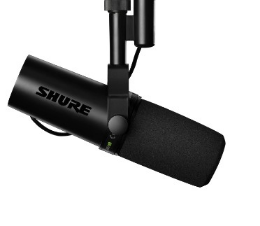
1. Shure SM7dB - Best for Executive Interviews
Official website: shure.com
Pricing: Starting at $499 USD.
If you're looking for a microphone that delivers broadcast-quality audio with very little compromise, the Shure SM7dB easily earns a place at the top of the list.
It builds on the legendary SM7B by adding a built-in preamp with selectable +18 dB or +28 dB gain, which makes setup much easier for creators using standard audio interfaces.
The microphone produces a warm, balanced sound that flatters almost every speaking voice while keeping room noise under control. That makes it an excellent choice for executive interviews, long-form conversations, and premium B2B video podcasts.
While the investment is at the higher end of the market, many creators keep the SM7dB for years, making it a smart long-term addition to a professional podcast studio.
Microphone Type: Dynamic.
Connection: XLR (with built-in active preamp).
Pros: Delivers outstanding broadcast-quality audio while requiring far less external gain than the original SM7B.
Cons: Premium pricing makes it better suited for serious creators and established podcast teams.
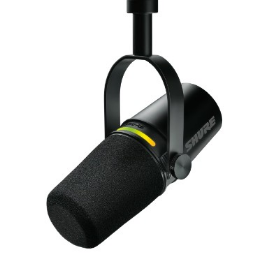
2. Shure MV7+ - Best Overall for B2B Podcasts
Official Website: shure.com
Pricing: Starting at $299 USD.
In the second spot, we have another excellent microphone from Shure. The MV7+ takes many of the qualities people love about the SM7dB and packages them into a more versatile, budget-friendly option.
It delivers a rich, focused vocal tone while offering both USB-C and XLR connectivity. That means it fits equally well into a simple home office setup or a dedicated podcast studio.
Shure also added practical features like Auto Level Mode, a real-time denoiser, a digital pop filter, and customizable DSP controls through the MOTIV Mix app, making great audio easier to achieve with very little manual adjustment.
Microphone Type: Dynamic.
Connection: USB-C + XLR (Hybrid).
Pros: Excellent broadcast-quality sound with hybrid connectivity and smart DSP features that simplify recording.
Cons: The software unlocks many advanced features, so USB users gain a richer experience than XLR-only users.
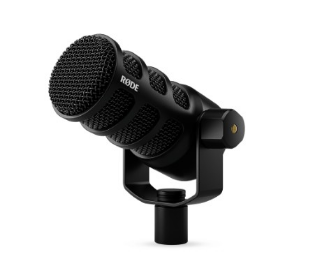
3. Rode PodMic USB - Best Value for Growing Shows
Official Website: rode.com
Pricing: Starting at $199 USD.
Rounding out our top three, the Rode PodMic USB delivers an impressive mix of sound quality, versatility, and affordability.
Designed specifically for spoken-word content, it produces a full, natural voice while keeping background distractions under control. Its hybrid design gives you the freedom to record through USB right away or switch to XLR later as your setup evolves.
Rode also includes powerful onboard DSP features through Rode Central and Rode Connect, including APHEX audio processing that helps voices sound polished with very little effort.
Microphone Type: Dynamic.
Connection: USB-C + XLR (Hybrid).
Pros: Delivers excellent voice quality, hybrid connectivity, and premium audio processing at a very competitive price.
Cons: Its heavier build works best with a sturdy boom arm rather than a basic desk stand.
Hear Rode PodMic USB in Action!
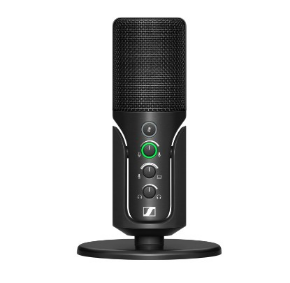
4. Sennheiser Profile USB - Best for Solo Business Creators
Official Website: sennheiser.com
Pricing: Around $129 USD for the mic set, with higher pricing for the streaming set with boom arm.
The Sennheiser Profile USB is a good pick for B2B hosts who want clean sound without building a complicated setup.
It connects through USB-C, works straight out of the box, and gives you useful physical controls for gain, mute, headphone volume, and mix balance. That matters during interviews because you can adjust levels quickly without opening extra software.
Since it uses a cardioid condenser capsule, it captures a detailed, natural voice, especially in quiet offices or treated rooms.
Microphone Type: Condenser.
Connection: USB-C.
Pros: Excellent vocal clarity, intuitive onboard controls, and true plug-and-play simplicity make it ideal for creators who want professional results with minimal setup.
Cons: As a condenser microphone, it performs best in quieter rooms with fewer reflections and background sounds.
Hear Sennheiser Profile USB in Action!
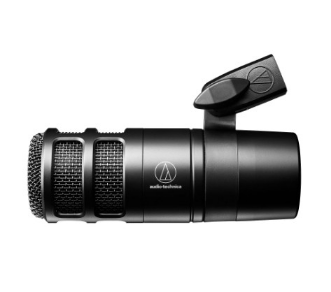
5. Audio-Technica AT2040 - Best Entry-Level XLR Microphone
Official Website: audio-technica.com
Pricing: Starting at $99 USD.
The Audio-Technica AT2040 takes fifth place thanks to its ability to deliver broadcast-style sound at a very approachable price. Its hypercardioid dynamic design focuses tightly on the speaker’s voice, helping during office recordings, founder interviews, and two-person conversations in the same room.
Audio-Technica also built in a multistage pop filter and integrated shock mount, so the mic handles plosives and small desk vibrations better than many entry-level XLR options.
For teams ready to move beyond basic USB microphones, the AT2040 feels like a practical first step into a more controlled podcast setup.
Microphone Type: Dynamic.
Connection: XLR.
Pros: Delivers rich, broadcast-quality voice reproduction while reducing room noise at an affordable price.
Cons: Requires an audio interface or mixer, which increases the overall cost of an XLR recording setup.
Hear Audio-Technica AT2040 in Action!
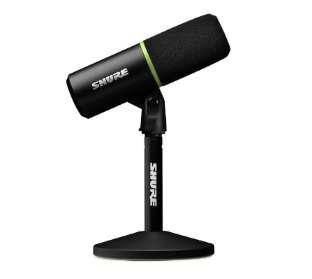
6. Shure MV6 - Best for New B2B Podcasters
Official Website: www.shure.com
Pricing: Starting at $149 USD.
Another Shure microphone earns a place on our list, and for good reason. The Shure MV6 focuses on simplicity while carrying over the company's broadcast heritage.
Built specifically for podcasters, streamers, and content creators, this USB-C dynamic mic delivers a warm, focused vocal sound without requiring an audio interface or advanced audio knowledge.
Features like Auto Level Mode, Digital Popper Stopper™, and real-time denoising help produce consistent recordings with very little setup, making it a great choice for first-time B2B podcast hosts.
Microphone Type: Dynamic.
Connection: USB-C.
Pros: Delivers focused voice capture, smart DSP features, and easy USB-C setup at a more accessible price than Shure’s premium podcast mics.
Cons: USB-only connectivity gives you less upgrade flexibility than hybrid microphones like the MV7+ or Rode PodMic USB.
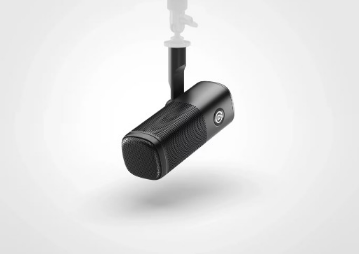
7. Elgato Wave DX - Best for Home Office Podcasts
Official Website: www.elgato.com
Pricing: Around $99 USD.
The Elgato Wave DX is a good choice for B2B hosts who want an XLR microphone with a cleaner, more creator-friendly setup. It was developed with Lewitt and designed to capture speech with impressive detail while still rejecting background noise.
Its cardioid pattern feels forgiving, so hosts can move slightly during a conversation and still sound steady.
Since it works with any XLR audio interface and requires no signal booster, the Wave DX gives you a professional path without an intimidating setup.
Microphone Type: Dynamic.
Connection: XLR.
Pros: Produces broadcast-style vocals while effectively reducing room noise.
Cons: Requires an audio interface, XLR cable, and stand or boom arm.
Hear Elgato Wave DX in Action!
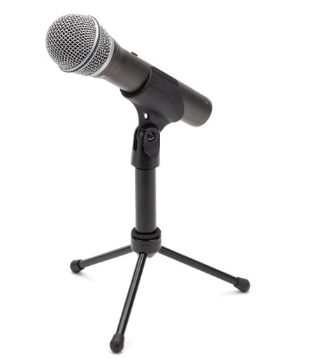
8. Samson Q2U - Best Budget Hybrid Microphone
Official Website: samsontech.com
Pricing: Around $99 USD.
The Samson Q2U is the veteran pick in this list, and honestly, that is part of its charm.
It gives new B2B podcast hosts a simple way to record clean voice audio through USB, while the XLR output leaves room for a more professional setup later.
The Q2U also comes as a recording and podcasting pack, so beginners get the essentials without buying every accessory separately.
For teams testing a podcast idea, launching a lean show, or equipping multiple hosts, this microphone offers a very safe starting point with surprising flexibility.
Microphone Type: Dynamic.
Connection: USB + XLR (Hybrid).
Pros: Outstanding value with hybrid connectivity and a complete starter kit for first-time podcast hosts.
Cons: Its sound and build feel more entry-level compared with newer premium podcast microphones.
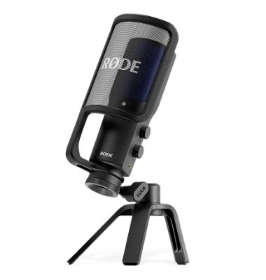
9. Rode NT-USB+ - Best for Thought Leadership Content
Official Website: rode.com
Pricing: Starting at $169 USD.
The Rode NT-USB+ is a perfect choice for B2B hosts who record in a quiet office or treated studio and want a more detailed, natural vocal sound.
Its condenser capsule captures subtle vocal nuances that work really well for solo episodes, thought leadership content, product demos, and video podcasts.
Setup takes only a few minutes through USB-C, while Rode Central software unlocks built-in APHEX audio processing, including a compressor, noise gate, and high-pass filter for extra polish.
The microphone also features zero-latency headphone monitoring, making it easy to hear your recording in real time.
Microphone Type: Condenser.
Connection: USB-C with 3.5 mm headphone output for monitoring.
Pros: Detailed USB sound with included pop filter, desk stand, and strong onboard processing.
Cons: The cardioid pickup pattern rewards consistent mic technique, so voice levels can vary more when you frequently move away from the microphone.
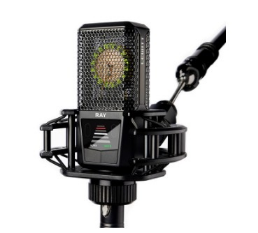
10. LEWITT RAY - Best Premium Condenser Innovation
Official Website: www.lewitt-audio.com
Pricing: Starting at $349 USD.
The LEWITT RAY wraps up our top with one of the most interesting microphone ideas on the market. It uses LEWITT’s sensor-based AURA technology to measure your distance from the microphone and adapt the level and tone in real time.
The 1-inch true condenser capsule gives voices a polished, detailed sound, while the Mute by Distance feature and dedicated mute button add extra control during live sessions.
If you record in a quiet environment and want cutting-edge technology that simplifies production while delivering detailed, studio-quality audio, the RAY is a fascinating option.
Microphone Type: Condenser.
Connection: XLR.
Pros: AURA technology helps keep voice levels more consistent as the speaker moves around the microphone.
Cons: It performs best in quieter recording spaces and requires an audio interface with 48 V phantom power.
Accessories That Improve Podcast Audio
Here’s one more thing we recommend checking before you hit record: the accessories around your microphone.
Boom Arms
A boom arm helps place the microphone close to your mouth and away from your keyboard, desk, and laptop fan.
Better positioning means fuller voice capture and fewer distracting room sounds.
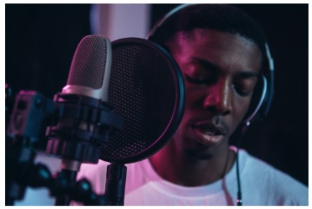
Pop Filters
Pop filters soften harsh “p” and “b” sounds that can hit the microphone too aggressively. This keeps speech smoother, especially during energetic interviews.
Shock Mounts
Shock mounts reduce desk vibration from typing, mouse clicks, or small movements.
They matter a lot when your mic sits near a laptop or shared table.
Audio Interfaces
Audio interfaces are mainly for XLR microphones.
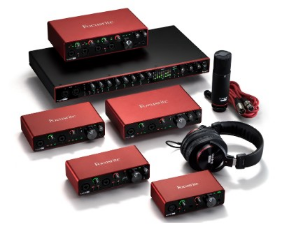
Beginner-friendly options like the Focusrite Scarlett or Rode AI-1 give you cleaner gain control and a more stable recording chain.
Closed-Back Headphones
Closed-back headphones help you hear your guest, monitor your own sound, and catch issues early.
They also prevent audio bleed during remote interviews.
Take Your B2B Podcast Further with Content Allies
Every successful B2B podcast starts with conversations people enjoy listening to, and the right microphone helps make that happen.
Whether you choose the versatility of the Shure MV7+, the clean simplicity of the Sennheiser Profile USB, or the smart recording technology behind the LEWITT RAY, the best option is always the one that fits your recording environment, workflow, and long-term goals.
If you're ready to build or scale a B2B podcast that attracts the right audience and creates meaningful business conversations, Content Allies is here to help.
Reach out for a consultation and discover how our team can support every stage of your journey, from podcasting strategy and production to distribution and promotion.
Frequently Asked Questions
What is the best microphone for a B2B podcast?
The best microphone depends on your room, budget, and setup. For most B2B hosts, a dynamic USB/XLR microphone like the Shure MV7+ gives the best mix of sound quality, flexibility, and ease of use.
Are USB microphones good enough for professional podcasts?
Yes. Many USB microphones now deliver clean, polished sound, especially for solo hosts, remote interviews, and office setups. XLR still gives more control for advanced studios.
Should I choose a dynamic or condenser microphone for podcasting?
Dynamic microphones work better in most untreated rooms because they reduce background noise. Condenser microphones fit quieter spaces where you want more detail and natural vocal tone.
Can Content Allies help me choose the right podcast setup?
Yes. Content Allies helps B2B brands think beyond the microphone and build a recording setup that fits their goals, team, guests, and production workflow. That can include guidance around equipment, recording format, production quality, and long-term content use.