
Top 12 Emerging B2B Podcasting Trends in 2026

Podcasting is growing fast in B2B marketing, changing how businesses share their stories, connect with people, and find new customers.
The global podcasting market is set to grow from USD 26.53 Billion in 2026 to USD 77 billion by 2035, which means there’s a ton of opportunity here for smart businesses.
More and more, companies see podcasts as a great way to build real emotional connection and stand out from the competition.
This article covers the top podcasting trends shaping B2B marketing in 2026 so you can keep your finger on the pulse and get ahead of your competitors.
P.S. Struggling to launch a B2B podcast that resonates with your audience? Content Alliescan help you create high-impact podcasts that engage, convert, and amplify your brand message.
Table of Contents
Podcast Promotion & Paid Growth
By now, most brands in the B2B space have figured out how to produce a polished podcast. The real differentiator is now distribution.
Too many business podcasts still rely on organic growth alone, even though podcasting has become a competitive, pay-to-win channel in most B2B categories. Great content is essential, but without a deliberate promotion strategy, even the best shows struggle to reach the right audience.
Podcast advertising continues to attract investment, evolving alongside broader audio ad spend:
A Grand View Research forecast projects the global podcast advertising market will expand at a compound annual growth rate of 10% until 2030, with sustained growth driven by personalization and data-driven targeting.
This shows that brands are carefully listening to audiences and are now paying to reach them more effectively.
The Role of Paid Promotion in B2B Podcasting Growth
Organic promotion tactics still play a role, but on their own, they’re slow and unpredictable. Most B2B podcasts continue to rely on:
Guest sharing
Internal promotion through email or social channels
Word-of-mouth from existing listeners
These tactics can work over time, but they often take years to build a meaningful, repeatable audience. This is especially true in niche B2B markets where the total addressable audience is limited.
In 2026, that timeline simply doesn’t align with how B2B teams are measured.
Marketing leaders are under pressure to show impact faster, and podcasts are increasingly expected to contribute to the pipeline, brand authority, and revenue.
Leading B2B brands now treat podcast promotion the same way they treat other performance channels, which is as a serious investment.
Why Paid Podcast Promotion is a Game Changer Now
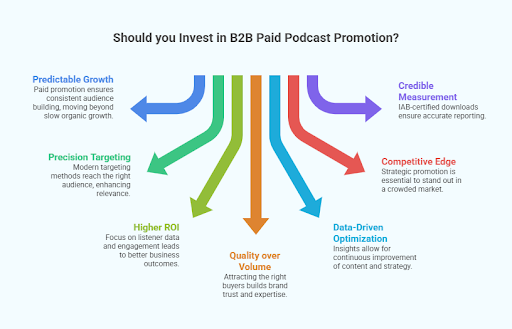
Paid promotion allows you to move from slow, organic growth to predictable, intentional audience building.
Precision Targeting Is Non-Negotiable
Broad demographic targeting no longer cuts it. Modern B2B podcast promotion focuses on:
Job titles and seniority
Industry and company size
Account-based and firmographic targeting
The goal here is a high level of relevance to your target audience.
ROI Expectations Are Higher
Podcast promotion is increasingly tied to:
Company-level listener data
Engagement signals
Influence on deals and pipeline
B2B marketing teams are expected to know who listened, not just how many downloads an episode received.
Quality Beats Volume
While raw download numbers are still relevant, true success is measured by whether the right buyers are listening consistently and associating your brand with expertise and trust.
Data-Driven Optimization
Modern podcast distribution platforms provide insights into:
Listener behavior and retention
Which episodes attract decision-makers
Which audiences convert into meaningful business conversations
This data allows teams to continuously refine both content and promotion strategy.
Competitive Pressure Is Mounting
As more B2B brands launch podcasts, organic discovery alone is no longer enough to stand out. Strategic promotion has become a core part of winning visibility in crowded categories.
Credible Measurement Standards
Metrics like IAB-certified downloads are now baseline requirements for reporting accuracy and stakeholder trust, especially when podcasts are tied to paid investment and revenue outcomes.
Trend #1: Hyper-Niche B2B Podcasts
With over 4.5 million active podcasts, standing out requires a hyper-niche focus.
Highly focused podcasts help you speak directly to specific business professionals and their unique challenges. By narrowing your content, you can position themselves as true industry experts and build credibility, trust, and strong audience connections.
Niche podcasts also have higher engagement because listeners find the content directly relevant to their needs, keeping them coming back.
Examples of Successful Niche B2B Podcasts

Talent Acquisition Leaders Podcast
This podcast succeeds by targeting TA and Recruiting Leaders with relevant insights and expert interviews. Its niche focus, timely content, and knowledgeable host create a valuable resource for listeners.
High-quality guests add credibility, and this attracts a dedicated audience that wants actionable insights from top professionals in the field.

CRE Exchange: Commercial Real Estate, Property Valuations, Real Estate Analytics and Property Tax
The CRE Exchange podcast by Altus Group provides commercial real estate (CRE) professionals with cutting-edge conversational episodes, market analysis, and actionable insights. Hosted by research experts, it covers key trends, risk management, and opportunities in the CRE world, which makes it a go-to resource for stakeholders in the industry.
Trend #2: Innovative Storytelling Formats
As podcasts become more common in B2B marketing, regular interviews aren't enough to grab listeners' attention anymore.
Stories are powerful. According to behavioral scientist Jennifer Aaker,
“Stories are remembered up to 22 times more than facts alone.”
New storytelling formats are growing quickly, which turn your business podcasts into engaging experiences that connect strongly with audiences.
We have observed that B2B companies are now using creative storytelling methods, like story-driven podcasts, mini-documentaries, and real customer accounts, to make their content stand out and build stronger relationships with audiences. These approaches help make complex topics easier to understand and remember.
And Nielsen’s Brand Lift Report shows that in emerging media, including podcasts, strong content can increase aided brand recall by about 71 percentage points. This underscores the power of memorable storytelling over generic podcast formats in driving brand recognition and audience loyalty.
Examples of Unique Storytelling Formats
Documentary-Style Narratives

Podcasts like “Shaping Sustainable Places” take you inside the world of low-carbon construction and development. Each episode features candid conversations with change makers and innovators who are transforming how we build and inhabit our environments. Listen as industry pioneers share their real-world challenges and breakthrough solutions that are creating more sustainable communities.
Podcasts like "The Startup Journey" share stories of company founders, showing their real challenges and successes through engaging storytelling. This connects with listeners on a deeper level while showing the brand's expertise.
Learn more about how to bake storytelling into your podcasts in our guide here.
Trend #3: Continuous Podcasting
Sharing content regularly all year instead of in short seasons is still working well for B2B brands.
Regular podcasting builds listener habits, helps people remember your brand, and creates stronger connections with your audience.
UK listeners who are weekly podcast consumers spend an average of 5 hours 27 minutes per week listening to podcasts. This means podcast listening is a deeply embedded habit for many people, and they are actively expecting you to keep feeding them content.
Keeping a regular podcasting schedule helps businesses:
Benefits of Continuous Podcasting
Based on our experience working with various team we have seen that consistently sharing content keeps your brand top of mind and drives engagement. Here’s how it helps you thrive:
Strengthen audience loyalty: Regular episodes keep listeners coming back, building a stronger connection to your brand
Stay timely and relevant: Regular publishing lets you quickly respond to new trends, industry news, or what listeners ask for, making your podcast more useful
Improve SEO and discoverability: Creating content regularly helps more people find your podcast on platforms and search engines
Tips for Effective Always-On Podcasting
To build a successful, always-on podcasting strategy, we at Content Allies follow these key practices for our clients:
Develop a clear content calendar: Plan your episodes months ahead to avoid gaps and keep quality high
Batch production: Record several episodes at once to save time and reduce stress
Monitor audience feedback: Regularly check what listeners think and adjust your content to keep it relevant and valuable.
By using a regular podcast strategy, B2B brands become trusted sources of industry-specific insights, which gives them an advantage in busy markets.
Trend #4: Video Podcasts & Multichannel Distribution
Video is fast becoming a cornerstone of B2B podcasting. YouTube is now the #1 podcast discovery platform, preferred by more than 40% of listeners in one survey.
Video improves the listening experience by combining audio with engaging visuals, and this also improves discoverability on platforms like YouTube.
This format makes it much easier for creators to repurpose content into shareable clips and shorts for social media platforms, which increases audience engagement and reach. And it’s rapidly growing in popularity, too.
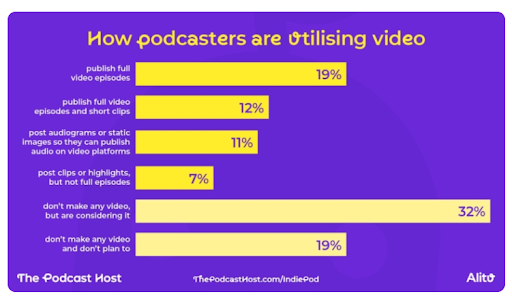
In fact, data shows that 31% of creators are already publishing full video episodes alongside their audio content. Furthermore, 32% of podcasters are considering adding video to their shows, even though they currently don’t produce any.
Spotify also reflects this shift, with over half a million video podcasts now available on the platform; an impressive increase from previous years.
You can follow these best practices to get more out of your video podcast content.
Optimize for YouTube search: Use keyword-rich titles, engaging thumbnails, clear descriptions, and detailed timestamps to improve video discoverability. This helps your content stand out in search results and attract new and wider audiences.
Repurpose content across channels: Share short-form video clips from episodes on LinkedIn, TikTok, Instagram, and Twitter to drive traffic back to full episodes. This strategy uses the power of micro-content to boost brand awareness and engagement.
Deliver professional visuals: Invest in high-quality cameras, lighting, and branding to reflect credibility and professionalism. Engaging visuals improve audience retention and reinforce trust in your brand.
Trend #5: Using B2B Podcasts for Market Research and Competitive Intelligence
Smart businesses now use podcasts not just for marketing, but also to learn about their market and competitors. Podcasts let them hear honest talks with business leaders about strategies, challenges, and new trends.
55% of internal company influencers now consume thought leadership content, and podcasts are a great way to get this in front of them.
As per our experience, B2B podcasts help you:
Spot new trends early by listening to what guests and experts say is coming next
Learn about competitors when interviewing them or talking with industry experts
Make better business decisions using the knowledge shared by podcast guests.
Examples of Effective Intelligence-Gathering B2B Podcasts
This show features expert guests from the B2B marketing world, providing valuable insights on topics like customer experience, branding, and go-to-market strategies.
With over 1,700 episodes, this podcast offers strategies and practical tips for B2B marketers, covering a wide range of topics to help businesses stay ahead in a competitive market.
Trend #6: AI and Automation in B2B Podcast Production
AI is continuing to change how B2B podcasts are produced by making high-quality podcasting easier and more affordable. From editing to scripts, businesses use technology to work faster, spend less, and create more engaging content.
AI-powered podcasting is big business. The AI audio editing market hit USD 2.02 billion in 2025, and is expected to grow to $7.34 by 2030, at a CAGR of nearly 29.5%.
How AI is Transforming B2B Podcast Workflows
AI-powered tools are helping B2B podcasters:
Automate editing & post-production: Tools like Descript and Adobe Podcasts remove background noise, balance audio levels, and even cut out filler words automatically.
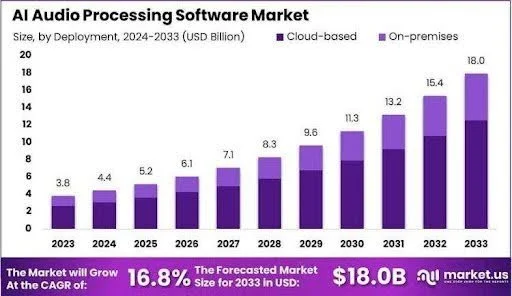
Generate show notes & transcriptions: Services like Otter.ai create episode summaries and searchable transcripts, which help with SEO and make content more accessible.
AI-powered voice cloning: Some companies are experimenting with AI-generated voices to create synthetic hosts or co-hosts, particularly for multilingual content. Excellent platforms like HumanTalk and WellSaid Labs offer high-quality AI voice actors to give your podcast a human voice.
Automated guest research: AI tools can analyze industry news and generate key discussion points before interviews, which helps hosts prepare more effectively.
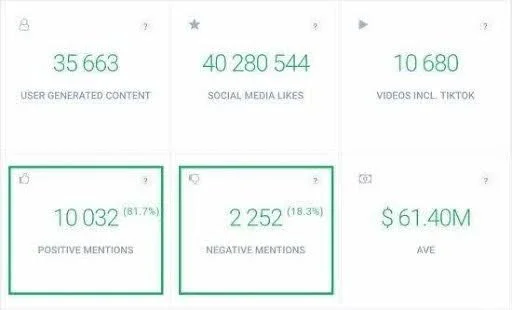
Real-time sentiment analysis: AI analyzes audience feedback, ratings, and reviews to identify sentiment trends. This enables you to adjust your content strategies for better audience alignment. Platforms like Brand24 allow podcasters to tap into a ton of valuable information about how their listeners feel.
Dynamic content repurposing: AI extracts short video clips and social media highlights from full episodes, making it easier to promote content across various platforms.
Personalized listener experiences: AI algorithms analyze listener preferences to recommend episodes and segments tailored to individual tastes, enhancing engagement and audience retention rates.
Content creation assistance: AI tools like ChatGPT can help generate content ideas, create outlines, and even draft scripts, saving time and sparking creativity for podcasters.
Check out our article here on the future of AI and automation in podcasting.
Trend #7: Use of Advanced Analytics and Personalization
B2B podcasting uses powerful analytics tools to better understand listeners and create content just for them. This helps businesses create better podcasts and keep people listening.
New podcast platforms give detailed information about listeners:
Listener drop-off points: Analytics tools show exactly where listeners stop engaging, allowing podcasters to improve specific content sections
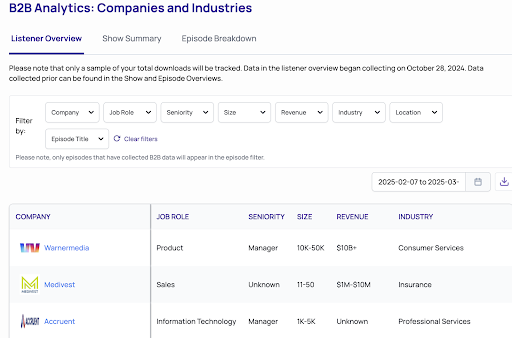
Demographic and firmographic insights: Platforms like CoHost offer B2B-specific analytics that reveal which companies and industries are tuning in. This data includes job roles and seniority levels, helping marketers target busy decision-makers more effectively.
Engagement metrics: Tracks how often people listen again, share episodes, and how long they listen, showing which content works best
Personalizing Listener Experiences for Higher Engagement
Nowadays, people expect personalization. In fact, data shows that around 71% of consumers expect personalized interactions from brands, and frustration rises sharply when personalization is missing.
This expectation extends to audio and digital content. When platforms like Spotify and Apple Podcasts recommend episodes based on listener preferences, engagement rises, keeping audiences tuned in longer and more often.
Here are key B2B podcast personalization strategies:
AI-driven content recommendations: Algorithms suggest episodes based on listener behavior, which keeps audiences more engaged and encourages them to explore more content.
Dynamic ad insertion: AI-powered tools insert personalized ads based on the listener's job, interests, or even geographic location. This technology allows for real-time, targeted advertising that can be easily updated or removed
Exclusive content & subscriber-only feeds: Offering premium content or early access to paying subscribers has become a key strategy for retaining audience loyalty and generating revenue
Trend #8: The Rise of Interactive Podcasts
Big platforms like Spotify and Apple Podcasts now have cool features that make podcasts more engaging:
Live Q&A Sessions: Listeners can ask questions during the show or right after it ends.
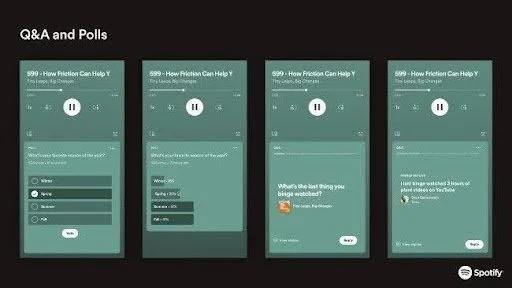
Polls & feedback surveys: Hosts can ask listeners what they think, which helps plan future episodes.
Community discussions: Some podcasts have private groups on LinkedIn or Slack where listeners can talk more about the show.
Spatial audio & 3D sound: This immersive audio technology creates a more realistic listening experience, making complex topics easier to understand and engage with.
Below is an episode of The Daily, On The Road With Ukraines Refugees where this technology is used.
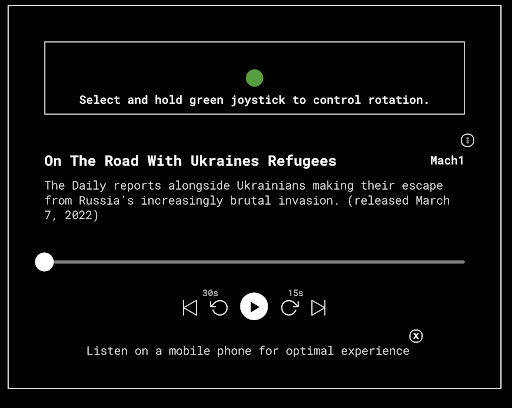
Augmented Reality (AR): Some B2B brands are trying out AR with their podcasts, letting listeners see pictures or graphics while they listen.
Voice commands: You can now control podcasts using AI assistants like Alexa or Google, making it easier to listen hands-free.
Trend #9: Use of Innovative Monetization Strategies
B2B podcasts are finding new ways to make money beyond just sponsorships. They're using smart ad tech, special content for paying listeners, and even live events to earn money while giving their audience more value.
Trends in Targeted Sponsorship & Dynamic Ad Insertion
With the ability to deliver more tailored ads, B2B podcasts are adopting new forms of sponsorship and dynamic ad insertion. Let’s see how it works:
AI-powered dynamic ad insertion: Instead of the same old ads, AI puts in ads that fit each listener based on who they are, where they are, and what they like
Niche sponsorships: B2B podcasts get special sponsors who pay more to reach specific decision-makers in businesses
Branded podcast content segments: Sponsors become part of the podcast story through special episodes or talks with experts. Companies like Salesforce have partnered with Spotify to engage millennial decision-makers through host-voiced ads, effectively boosting brand affinity and recall

Subscription and Premium Content Models
We have observed that subscription-based content models are booming nowadays. They offer you a way to monetize while maintaining listener loyalty.
Here’s how brands are tapping into this opportunity:
Ad-free & exclusive episodes: Platforms like Apple Podcasts offer content just for subscribers, keeping listeners coming back. Subscription models are booming in 2026, with listeners willing to pay for exclusive content, ad-free episodes, and bonus materials
Private B2B podcast networks: Some companies monetize through members-only podcasts, providing premium insights and behind-the-scenes, nuanced discussions
Early access & bonus content: Giving subscribers extra interviews or reports helps make more money. This strategy has proven effective in building a loyal customer base for services like HelloFresh.

Live Events & Branded Merchandise
Live events and branded merchandise are additional revenue opportunities that are gaining traction in the podcasting space. Here's how these tactics are being utilized:
Podcast-branded events & webinars: Hosting live shows at conferences or online meetings creates networking chances and makes money.
Merchandise & digital products: Selling branded items, e-books, or other resources builds brand loyalty and makes money.
Virtual events in particular are booming. In fact, the global virtual events market is expected to grow to over USD 297 billion by 2030, as brands invest in hybrid and experiential formats.
By using these different ways to make money, B2B podcasts can become profitable and valuable for their brands.
Trend #10: Multi-Show Podcast Networks (Per ICP)
Instead of one big, broad podcast, more and more B2B brands are launching multi-show podcast networks, made up of separate shows targeted at different personas or buying roles within their ideal customer profile (ICP).
This trend is data-driven: the sheer scale and fragmentation of the podcast space make it possible for multiple niche shows under one brand umbrella.
Why Multi-Show Networks Are Taking Off
As the podcasting space continues to evolve, here are the key reasons B2B brands are embracing this strategy:
Audience fragmentation: With millions of shows and hundreds of millions of global listeners, podcasts now cover highly specific B2B topics and niches, which means one broad show often can’t serve all buyer personas effectively.
Discovery opportunities: YouTube alone has over 1 billion monthly podcast watchers. This means audiences are finding and consuming podcast content across platforms, not just in audio apps, which supports differentiated show strategies tailored to distinct audience intents.
Scale and sustainability: With many shows active at smaller scales, brands can treat each show like a mini-channel targeted at specific audience segments rather than relying on a single flagship show to attract everyone.
Trend #11: Focus on Podcast SEO (Audio and Video Search)
Podcast SEO, the practice of optimizing podcast content for discovery across search engines and major platforms like YouTube and Google, is increasingly becoming a key strategy for B2B podcasts. This shift is a direct response to how listeners now discover content.
YouTube as a Search & Discovery Engine
YouTube's massive reach plays a key role in podcast visibility. For podcast SEO, this is crucial because:
YouTube indexes podcast titles, descriptions, and metadata.
Audiences actively search for niche topics and show recordings on YouTube.
Well-optimized video podcasts can appear in both YouTube search results and Google search video results.
Search Engines Index Podcast Content
Search engines like Google now index podcast metadata and associated text, meaning episodes can appear in web search results, instead of just in dedicated podcast apps. While specific episode rankings aren’t publicly released as a single stat, multiple SEO guides confirm that site pages with transcripts, show notes, and structured metadata improve discoverability in search engines.
This means a B2B podcast that publishes:
SEO-optimized episode pages
Full transcripts
Keyword-rich titles
Detailed show notes
…can appear in general Google search results for relevant queries. This closes the gap between audio content and searchable web content.
With the global podcast audience expected to exceed 600 million this year, brands that optimize episodes for search benefit from both platform discovery (inside podcast directories) and general search discovery.
Trend #12: Use of B2B Podcasts as an Internal Communication Tool
B2B companies are increasingly using internal podcasts to improve employee communication, track engagement, and enrich company culture. These podcasts offer a more engaging and flexible way to share updates and insights compared to traditional emails or email newsletters.
In 2023, Cisco launched the Let’s Get Proximate podcast as a part of the Cisco Proximity Initiative.
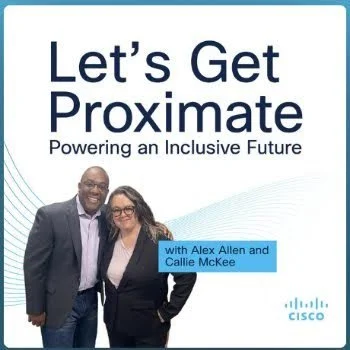
“At its core, the Proximity Initiative is a one-on-one conversation between a Cisco Executive and an employee, specifically those from our Inclusive Communities (Employee Resource Organizations/Groups), with the intention to have a conversation across differences. It is not a career conversation nor mentorship, but simply a conversation to share, listen, and learn about our lived experiences.” - Alex Allen
Benefits of Internal Podcasts
The following are the benefits of using B2B podcasts as an internal tool:
More Engaging Than Traditional Memos: Employees are more likely to listen to an engaging podcast than read long emails. Internal podcasts can drive significantly higher engagement than traditional internal communication channels. Organizations using internal podcasting report up to a 30% increase in engagement metrics and 73% higher attention rates compared with traditional formats like emails and meetings, which shows that high-quality audio content can be a more effective way to connect with employees
On-Demand and Mobile-Friendly: Employees can tune in at their convenience, whether commuting, working remotely, or in the office. This flexibility makes it easier for employees to find time to listen and stay informed
Strengthens Leadership Visibility: Executives can use podcasts to share company vision, recognize employee achievements, and discuss industry trends. This personal touch helps humanize communication and makes it more relatable for employees.
How B2B Companies Use Internal Podcasts
Here are a few of the ways B2B companies are using internal podcasts:
Company news & updates: Regular audio briefings keep employees informed about key initiatives and leadership changes. This helps ensure everyone is on the same page and aligned with company goals.
Training & development: Onboarding content, leadership training, and industry insights can be delivered as digestible podcast episodes. This format is particularly effective for sharing professional development content and keeping employees informed about industry trends.
Employee engagement & culture building: Featuring employee stories, team spotlights, and behind-the-scenes discussions fosters a strong, connected workforce. This helps build a sense of community and improves team cohesion, particularly in remote or hybrid work environments.
Elevate Your B2B Podcasting Strategy with Content Allies
With 50% of B2B marketers increasing podcast investment, businesses that adopt these trends will stay ahead of the competition.
From niche shows and internal communications to analytics-driven personalization and search-led discovery, podcasting has become a core pillar of modern B2B marketing. When done right, it builds trust, creates real connections, and drives measurable business impact.
That’s where Content Allies comes in.
We help you design, launch, and scale podcasts that actually move the needle, from strategy and production to promotion, SEO, and long-term growth. Not just great content, but content that reaches the right people and supports real business and marketing goals.
With the right partner, podcasting becomes one of the most powerful, durable assets in your B2B marketing stack.
Get in touch with us to get started.
FAQs
What is driving the rise of podcasting in B2B?
Podcasting is growing in B2B because it’s an effective tool for building trust. Unlike other formats, podcasts allow brands to engage decision-makers in deeper, more authentic conversations. This strengthens relationships, enhances credibility, and positions your brand as an industry thought leader.
How do podcasts deliver financial returns for B2B brands?
Podcasts drive financial returns by generating high-quality leads and enhancing brand authority. When aligned with broader marketing strategies, podcasts create long-term engagement with decision-makers, foster loyalty, and open monetization opportunities through ads, sponsorships, and premium content.
Are B2B podcasts effective for knowledge acquisition?
Yes, B2B podcasts are great for knowledge acquisition. They allow professionals to consume industry insights and expert opinions while multitasking. Podcasts help brands educate decision-makers, reinforcing credibility and staying top-of-mind in a crowded marketplace.
How does Content Allies handle podcast SEO and promotion?
At Content Allies, we optimize your podcast for search engines and major platforms like YouTube. From SEO-optimized episode pages to keyword-rich titles and detailed show notes, we make sure your podcast is discoverable and drives traffic to your brand.
Can Content Allies help create exclusive, paid content for my podcast?
Absolutely! We work with you to create premium content models, including ad-free episodes, early access, and subscriber-only content. This increases engagement while generating revenue through subscriptions and memberships.
How do Content Allies ensure the success of my podcast promotion?
From social media repurposing to paid ads and podcast SEO, we ensure your podcast reaches the right audience. Our comprehensive promotion strategies maximize the visibility of your show, increasing both audience growth and brand impact.
Can Content Allies help with the production side of my podcast too?
Yes! Our full-service podcast production includes everything from strategy and content creation to editing, promotion, and analytics. We ensure your podcast not only sounds great but also drives measurable results for your business.
Appendix: Sources & Further Reading
Podcast Industry & Market Research
https://www.businessresearchinsights.com/market-reports/podcasting-market-118074
https://www.grandviewresearch.com/industry-analysis/podcast-advertising-market-report
https://radiotoday.co.uk/2024/06/uk-adult-podcast-listening-at-all-time-high-latest-research-shows/
Video Podcasts, Platforms & Discovery
https://www.businessinsider.com/youtube-netflix-fox-changing-nature-of-podcasts-tv-2026-1
https://www.sweetfishmedia.com/blog/the-2025-state-of-video-podcasts
https://www.theverge.com/news/619720/youtube-podcasts-one-billion-monthly-views
B2B Podcast Examples & Case Studies
https://podcasts.apple.com/gb/podcast/b2b-insights-podcast/id1502470229
https://podcasts.apple.com/us/podcast/b2b-growth/id1073885415
Storytelling, Brand Impact & Thought Leadership
https://womensleadership.stanford.edu/resources/voice-influence/harnessing-power-stories
https://www.nielsen.com/insights/2023/in-emerging-media-brand-recall-is-the-biggest-driver-of-lift/
https://www.edelman.com/expertise/Business-Marketing/2025-b2b-thought-leadership-report
AI, Analytics & Podcast Technology
https://market.us/report/ai-audio-processing-software-market/
https://www.verifiedmarketresearch.com/product/personalization-software-market/
Monetization, Ads & Revenue Models
https://ads.spotify.com/en-US/inspiration/salesforce-advertising-campaign/
https://www.grandviewresearch.com/industry-analysis/virtual-events-market